Reliable real-time video for constrained environments
Unmanned systems in GPS-denied spaces depend on operator video for safe control. When RF conditions degrade — bandwidth drops, interference increases — conventional video systems fail at the point they are needed most.
LLRC-1 is a low-latency video system that dynamically adapts encoding to available network capacity, maintaining operator video when conditions deteriorate.
Who LLRC-1 Is For
UAV Integrators
Build and configure unmanned platforms for deployment in GPS-denied environments.
UAV Operators
Pilot unmanned vehicles through tunnels, pipes, and confined spaces using live video feeds.
System Engineers
Design and validate comms architectures for unmanned inspection platforms.
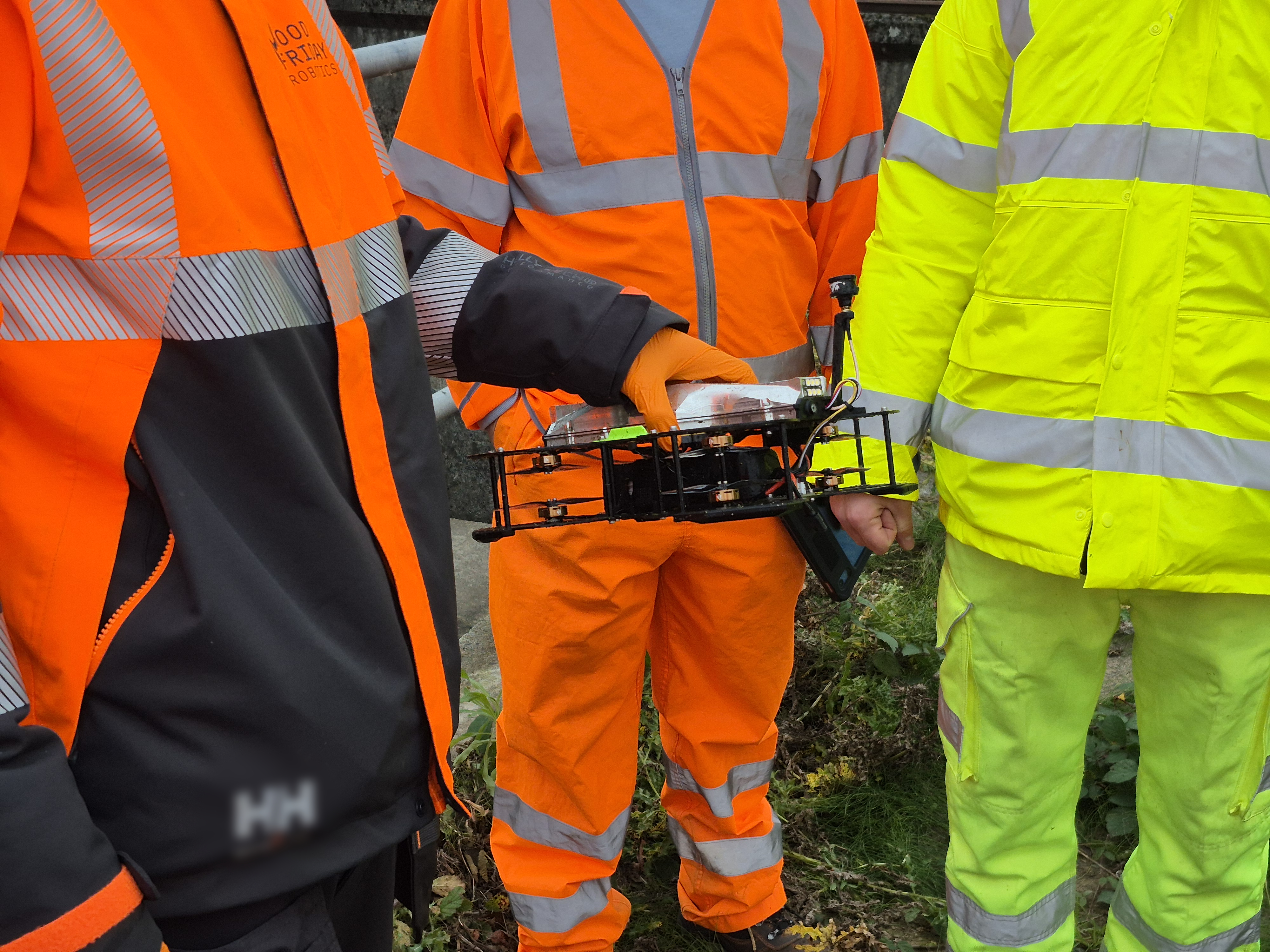
Capabilities
Flexible Radio Networking
Operate across multiple radio links and network topologies. Adapts to available RF infrastructure rather than requiring specific hardware configurations.
Ultra-Low Latency Video
Deliver real-time video with minimal delay even when RF bandwidth fluctuates — critical for maintaining safe operator control of unmanned systems.
Dynamic Video Optimisation
Automatically adjust encoding parameters as network conditions change. Prioritise frame rate, resolution, or quality based on what the operator needs most.
Edge Processing Ready
Process video on-device to reduce bandwidth demand and enable analytics at the edge — designed for platforms operating in degraded networks.
Radio Network Visibility
Monitor the underlying radio network alongside video feeds. See link quality, bandwidth availability, and network health in real time.
Multi-Camera Support
Manage simultaneous video feeds from multiple camera sources. Operators can switch views or monitor all feeds for complete situational awareness.
Why We Built LLRC-1
GPS-denied environments break autonomy
When GPS is unavailable, unmanned systems depend entirely on operator control via video. Losing video in these conditions means losing the ability to operate safely.
Latency degrades operator control
Even small increases in video delay reduce an operator's ability to react to obstacles and changing conditions. In constrained environments, this becomes a safety issue.
Existing systems assume stable networks
Most video systems are designed for reliable, high-bandwidth connectivity. In real-world subterranean deployments, these conditions rarely exist.