Keeping an eye on the Drones:
Drones have become part of everyday life. Most people think of them as flying cameras and tools for mapping and inspection, but the technology has evolved far beyond that. Around the world, engineers are experimenting with new forms, sensors, and software that could redefine what drones can do, and where they can go.
Here's a quick look at some standout drones to keep an eye on:
Drone Lasers
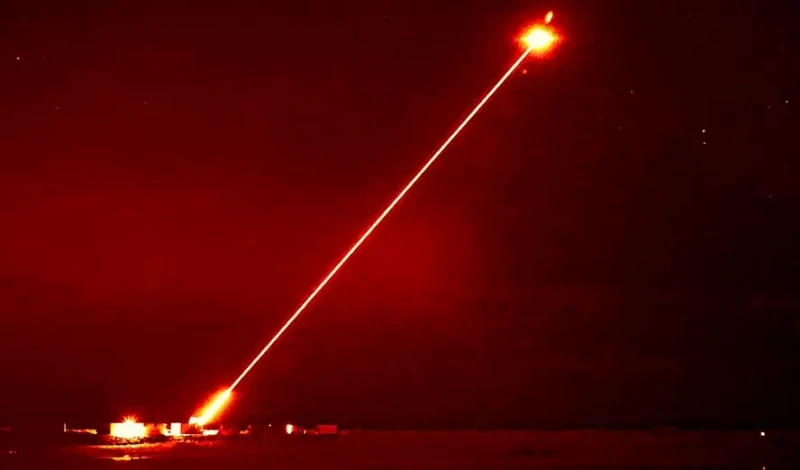
The sci-fi trope of the laser beam is now a reality, though not quite as we imagined. Today, lasers on drones have applications that span a spectrum, from harmless beams of light, to high-energy directed microwaves.
One recent example is from Japan, where Nippon Telegraph and Telephone (NTT) have developed a laser drone system to scare wild birds from chicken farms, in an effort to slow the spread of bird flu.
Directed Energy Weapons (DEWs) are an example of the latter. These systems have been in development for years and are reaching new milestones. Under a U.S.A Department of Defence program, DEWs are being integrated into counter-unmanned aerial systems (C-UAS). General Atomics recently confirmed an airborne laser "pod" weapon for the MQ-9 Reaper drone.
Indexing the Ocean
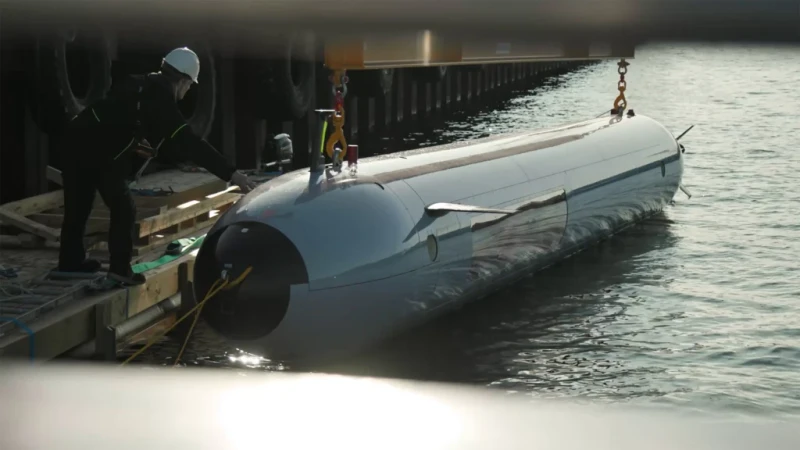
There are now fully autonomous drones exploring the ocean, with no human input or GPS locating. Kongsberg has built the Hugin range of Autonomous Underwater Vehicles (AUVs). The Hugin series is advertised as a capable and robust system, with operating mission lengths of up to 52 hours and a depth rating as deep as 6 km. It is used for tasks ranging from deep sea cable monitoring, ocean wreckage mapping, environmental research and defence for anti-submarine warfare.
Safer Drain Surveys
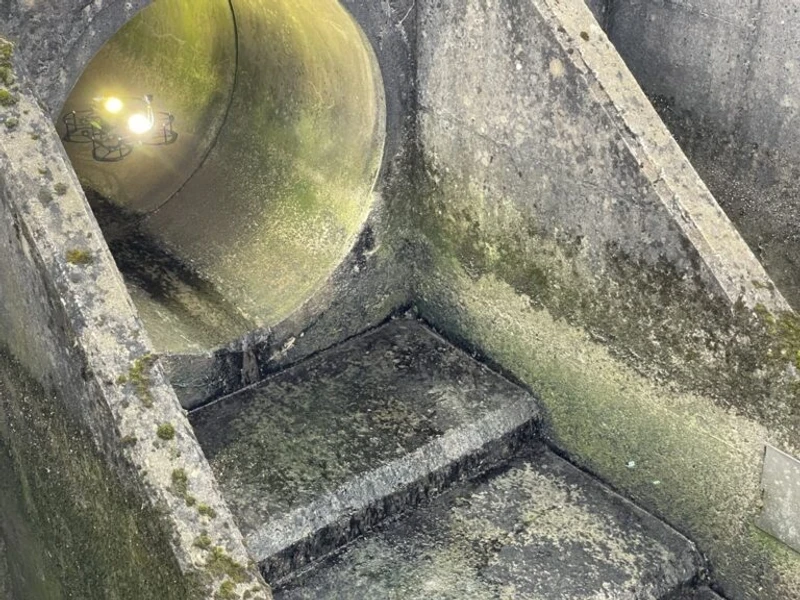
In the confined hazardous spaces of infrastructure, like sewers, tanks, and tunnels, drones can replace dangerous and time-consuming work. This type of inspection takes places with no light, no GPS, no maps or guides.
Subterranean Software builds the software that makes these flights safer and more dependable. We focus on verifiable data and intelligent autonomy so teams can turn a hazardous survey environment into a routine task.
Crowd Watching
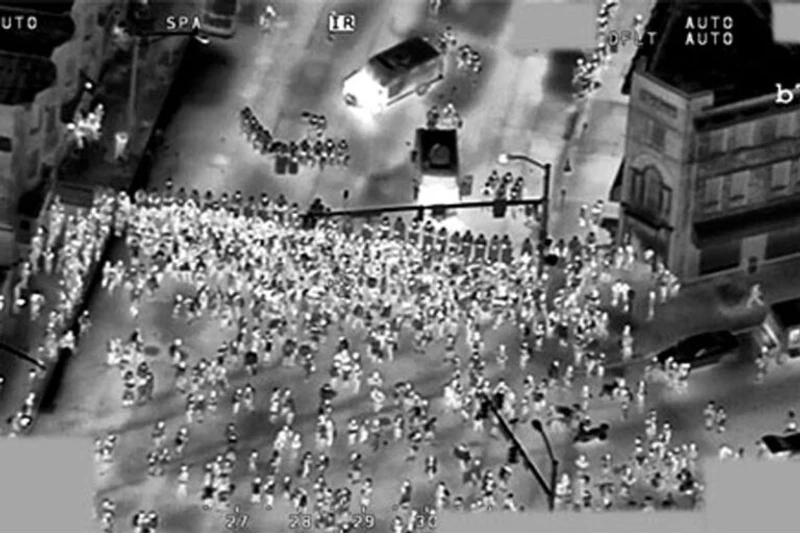
Law-enforcement agencies have used drones for years, yet the extent of their capabilities is still not well understood. These drones can observe from kilometres away, carrying zoom cameras and AI-based facial and image recognition. This raises serious concerns about privacy, algorithmic bias, racial profiling, and the unreliability of AI systems.
Real Pigeons?
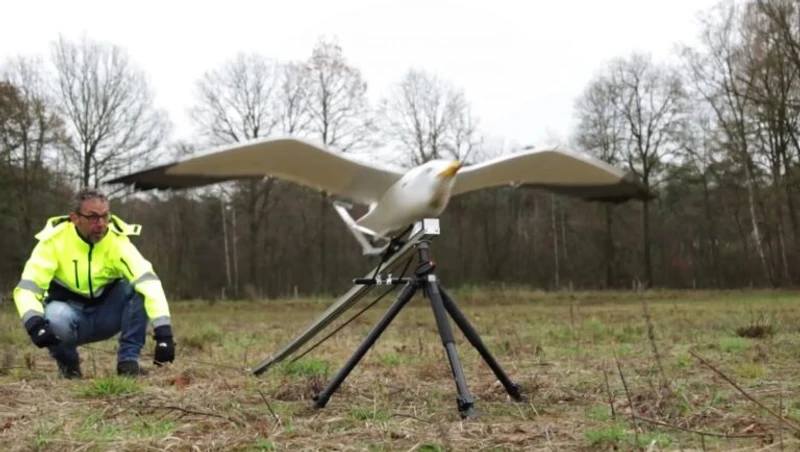
Is it a bird? A plane? Maybe both. The line between bird and bot is blurring. Across the world, organizations are building drones that look and move like birds. Officially, they're for wildlife monitoring, cinematography, journalism, and even crop protection. Unofficially, they're also for surveillance, crowd tracking, urban reconnaissance, border patrols, and discreet military observation.
Drone Swarms

Swarm technology allows multiple drones to operate as a single coordinated system. The most familiar example is the modern light show, each drone functions like a pixel in the sky. China's Guinness-record display of 10,000 drones shows how far this has already progressed. Militaries are pushing the technology further with swarms comprised of micro-drones.
Micro-UAVs and the Future
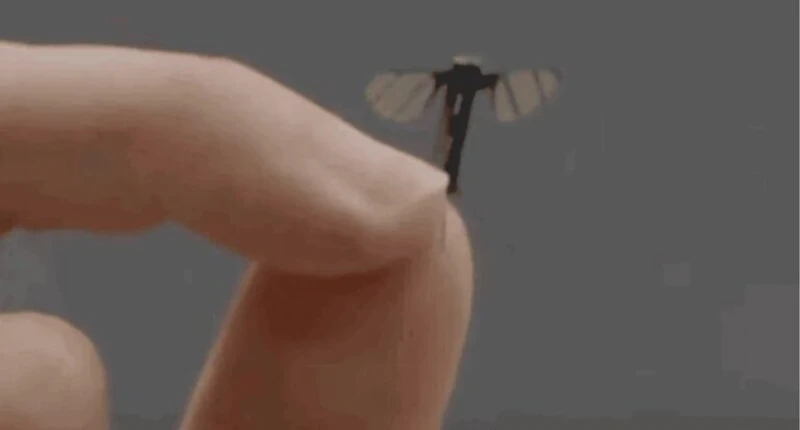
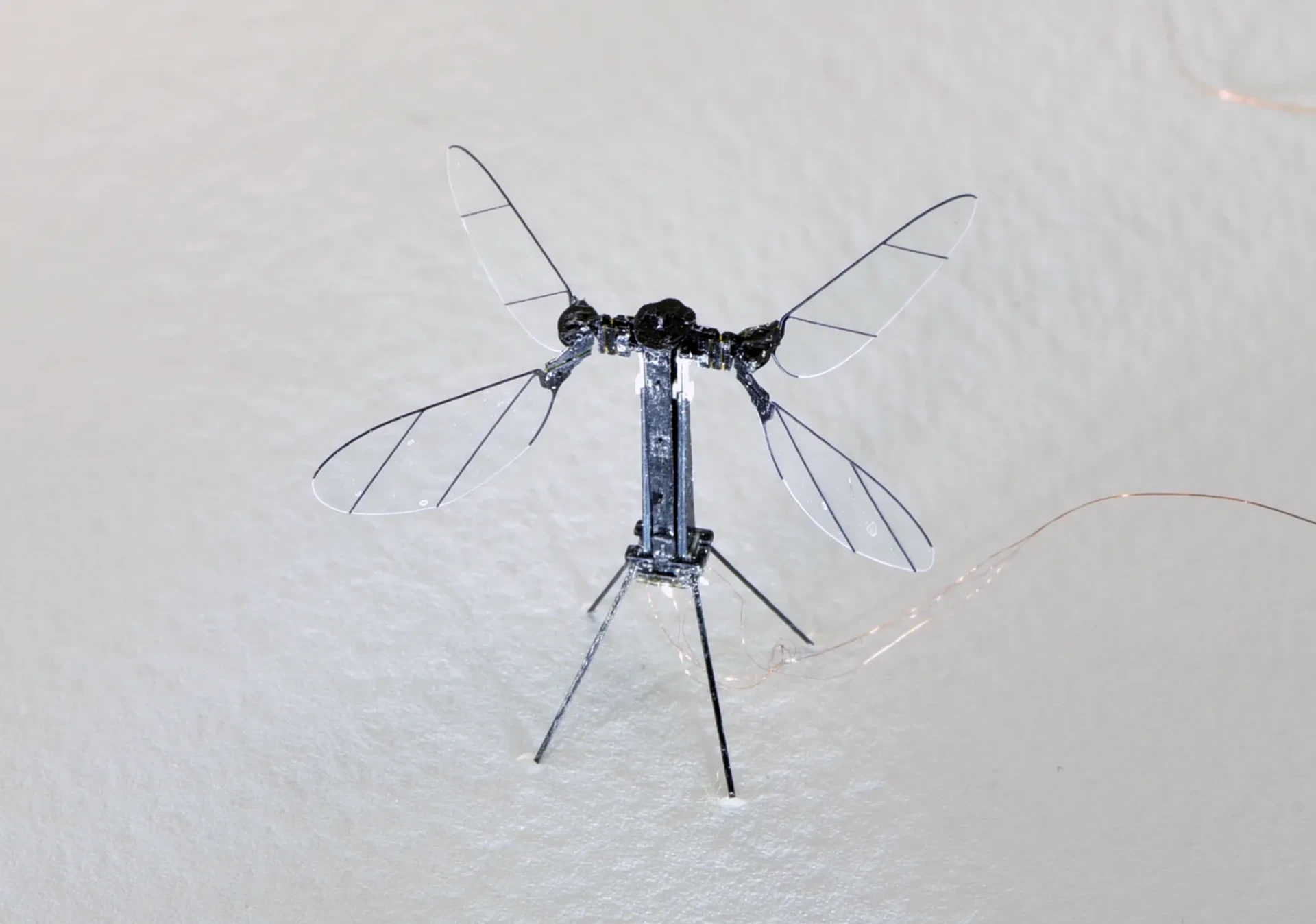
Micro-UAVs are one of the latest developments in drone technology. Many global militaries are pushing the development of tiny drones for surveillance, environmental monitoring, and search and rescue. They are also proposed for agricultural and ecological use cases, including possible pollination with "Robobees" in areas with declining bee populations.
Drones are expanding to every corner of human activity. The examples above are just early indicators of the coming era of autonomy.